
Buyer onboarding without repeated rejections
Systems and records prepared to the standard the buyer actually audits against.

04 / Food & Social Compliance
Structured guidance for food safety, responsible sourcing and social compliance requirements including HACCP, HALAL, FSSAI and SEDEX.
Overview
Food safety and ethical trade requirements are expected by regulators, retailers and export buyers. DATAR supports hazard control planning, hygiene documentation, licensing requirements and social compliance audit preparation.
DATAR provides consultancy, preparation, implementation and audit-readiness support. Certificates, approvals and audit outcomes are issued by the respective certification, conformity-assessment, regulatory or accreditation bodies, as applicable.
Certifications & Schemes Included
Select any item below to read the detailed section covering scope, applicability, benefits and how DATAR supports it.
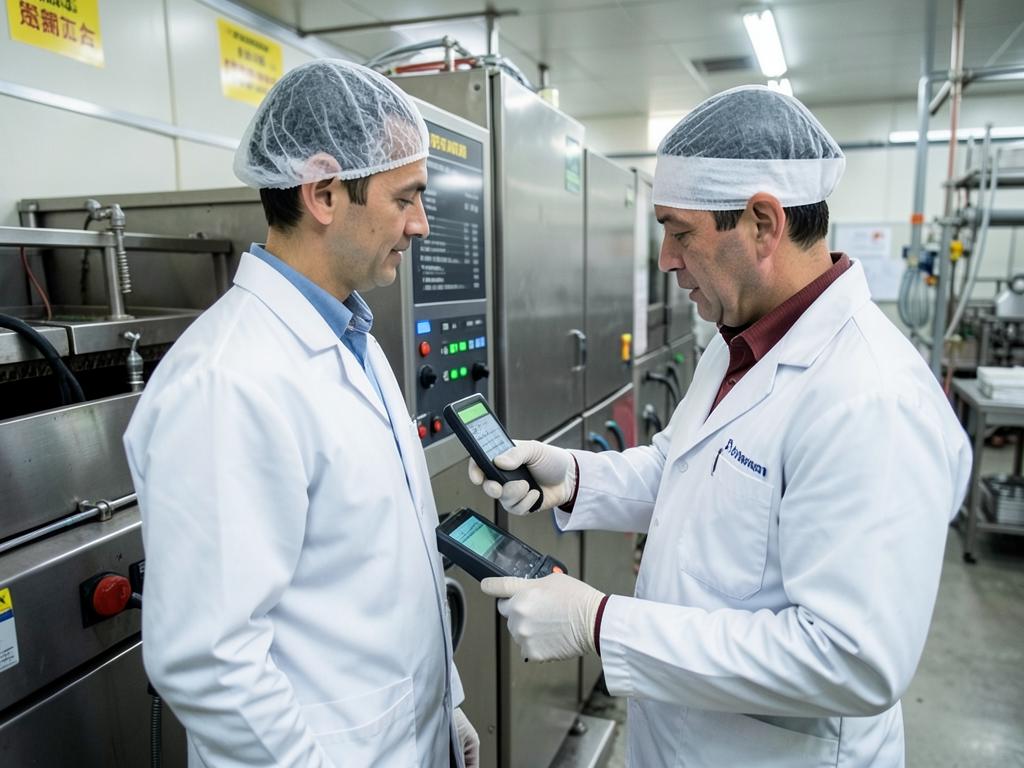
04.1 / HACCP
HACCP is a systematic, preventive approach to food safety: identify biological, chemical and physical hazards, decide where control is critical, set limits and prove through records that those limits were met.
Most food safety failures are not exotic. They come from a step nobody formally controlled — a temperature not checked, a metal detector not verified, a cleaning step assumed. HACCP forces those steps to be identified and monitored.
Who it applies to: Food processors, packers, kitchens and catering operations, cold storage, and suppliers of ingredients or packaging into the food chain.
Relevant industries: Food processing · Catering · Cold storage · Ingredients & packaging
Discuss HACCP for your organization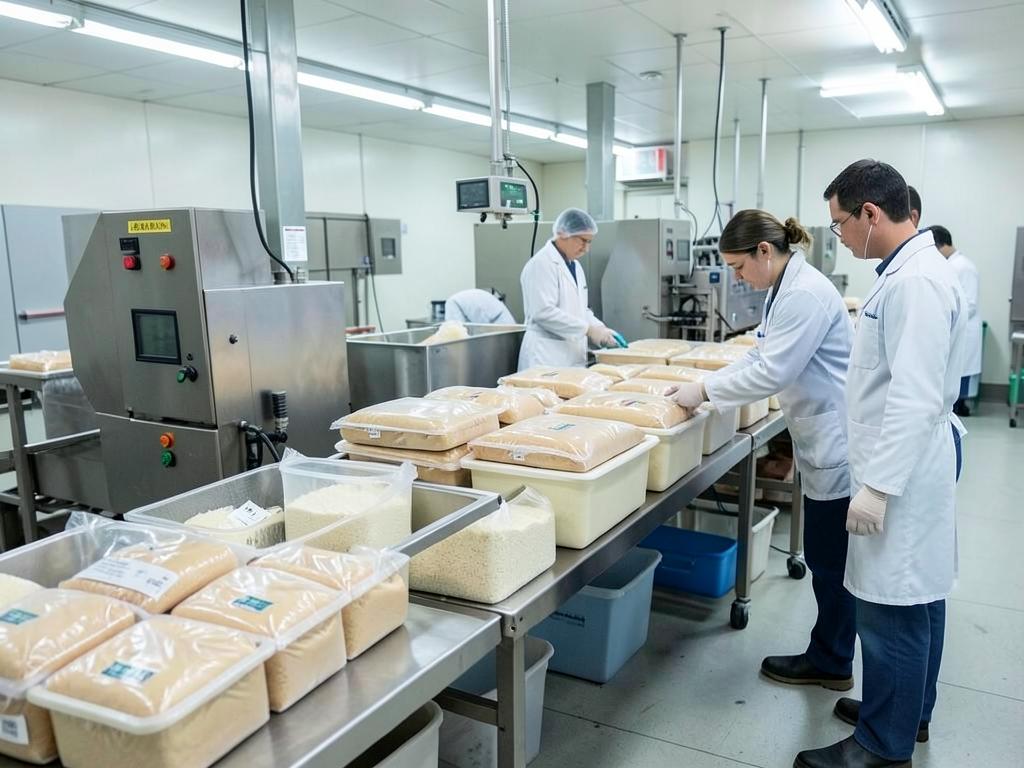
04.2 / HALAL
HALAL compliance concerns ingredient acceptability, segregation, cleaning and documented process control so that products meet the requirements of the applicable HALAL certification scheme.
For many export markets, HALAL status is a commercial entry condition. The practical work is supply chain and segregation control — knowing every ingredient's origin and preventing cross-contact during storage, production and cleaning.
Who it applies to: Food and beverage manufacturers, ingredient suppliers, packaged food exporters and organizations supplying markets where HALAL status is expected.
Relevant industries: Food & beverage · Ingredients · Packaged food exports
Discuss HALAL for your organizationHALAL certification is granted by the relevant certification body according to its own scheme requirements.
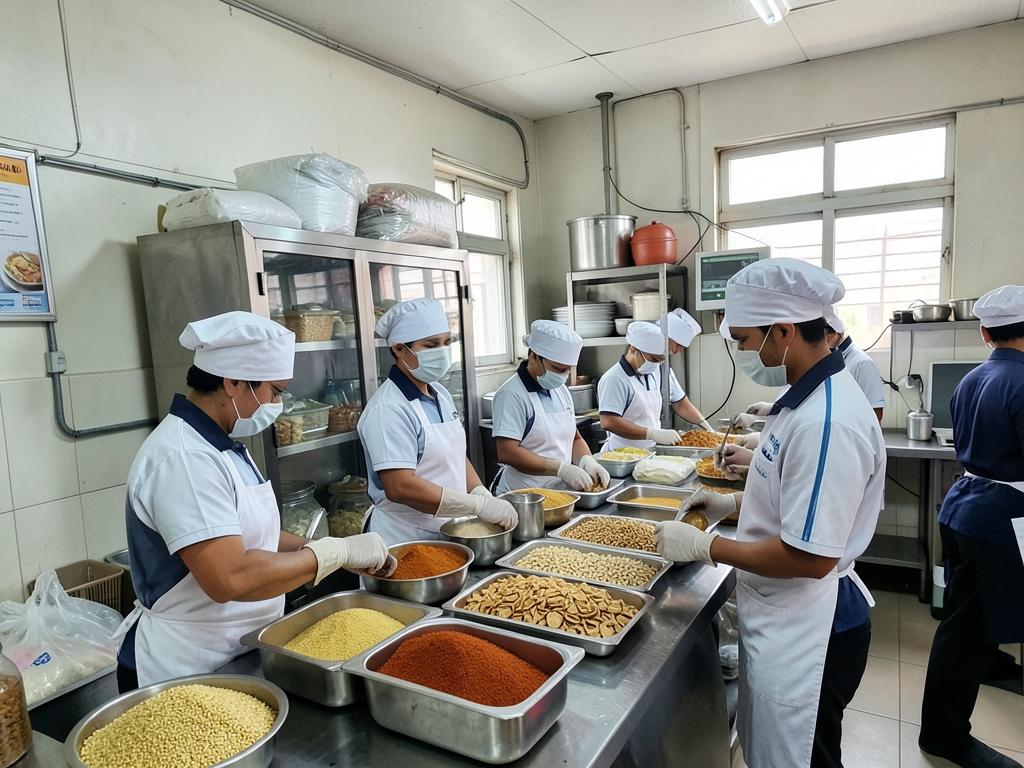
04.3 / FSSAI
FSSAI compliance covers the licensing, hygiene and documentation expectations that apply to food businesses operating in India, from manufacturing and storage to distribution and service.
Licensing is only the visible part. Inspections and buyer checks look at hygiene practices, water testing, pest control, medical fitness records and labelling — the everyday records that are easy to let lapse.
Who it applies to: Food manufacturers, packers and repackers, storage and distribution businesses, restaurants and caterers, and food e-commerce sellers operating in India.
Relevant industries: Food manufacturing · Storage & distribution · Restaurants & catering · Food retail
Discuss FSSAI for your organizationLicences are issued by the food authority; DATAR supports preparation, documentation and hygiene system implementation.

04.4 / SEDEX
SEDEX-based ethical trade audits assess labour standards, health and safety, environmental practice and business ethics at a site, with results shared with the buyers who requested them.
Retail buyers increasingly require an ethical audit before or shortly after onboarding a supplier. Findings usually concern records — attendance, wages, age verification, training and safety documentation — rather than hidden misconduct.
Who it applies to: Export-oriented factories, garment and textile units, engineering and consumer goods manufacturers, food processors and any supplier to retail brands.
Relevant industries: Garments & textiles · Engineering exports · Consumer goods · Food processing
Discuss SEDEX for your organizationAudits are conducted by approved audit companies; DATAR provides preparation and corrective action support.
Business Value
Systems and records prepared to the standard the buyer actually audits against.
Hazards analysed, controls assigned and verification recorded rather than assumed.
Organised documentation shortens audit time and reduces the number of findings.
Labour, health and safety practices evidenced with records instead of statements.
DATAR Support Process
01
Review the facility, products, processes and the specific buyer or regulatory requirement being targeted.
02
Close hygiene and infrastructure gaps, then build hazard analysis, procedures, records and worker-related documentation.
03
Train supervisors and workers, run the records on live production and verify that controls are followed.
04
Internal audit, mock recall or mock audit, corrective actions and readiness for the external audit.
Industry Relevance
Typical situations where organizations approach DATAR for this category.
Hazard analysis, hygiene programmes and traceability suited to batch-based production.
Food safety documentation plus ethical trade audit preparation demanded by retail buyers.
Critical control point monitoring around pasteurisation, chilling and packaging.
Social compliance preparation covering working hours, wages, safety and grievance records.
Locations We Serve
Food safety and social compliance support reaches food processors, exporters and factories across Rajkot, Ahmedabad, Surat, Baroda, Mumbai, Pune, Delhi, Bengaluru, Nagpur and Bhopal.
DATAR works from its Rajkot head office and supports organizations across India, on site and remotely.
Head Office — Rajkot607, Time Square, Near Ayodhya ChowkService delivery is arranged through site visits and online working sessions; DATAR’s only office address is the Rajkot head office listed here.
FAQ
Something not covered here? Send the question through the enquiry form below or on WhatsApp.
No. HACCP is the hazard analysis and critical control point methodology. ISO 22000 is a full food safety management system that incorporates HACCP principles along with management system and prerequisite requirements.
Food safety and licensing requirements apply by activity, not only by size. The depth of documentation is scaled to the operation, but hazard control and hygiene expectations remain.
Typically labour practices such as working hours, wages and age verification, health and safety arrangements, environmental practices and business ethics — verified through records, site observation and worker interviews.
Commonly a site and process layout, product and ingredient details, hygiene and cleaning records, water and pest control records, training records, supplier details and, for social audits, wage, attendance and age documents.
No. Certification and audit outcomes come from the respective certification bodies, licensing authorities or audit schemes. DATAR provides the preparation, documentation and audit-readiness support.
Explore Other DATAR Services
Get Consultation
Share your organization, product, target market or certification requirement and DATAR will help identify the applicable next steps.