
Market access without last-minute surprises
Confirming the applicable route early avoids shipments being held because documentation was never prepared.

03 / Product & Regulatory
Support for product certification and market-specific regulatory requirements across India, Europe, Great Britain, the United States, China and key Asian export markets, based on the applicable product and route.
Overview
Placing a product on a regulated market means matching the right conformity route to the product. DATAR supports technical documentation, conformity assessment routes, testing coordination and documentation review.
DATAR provides consultancy, preparation, implementation and audit-readiness support. Certificates, approvals and audit outcomes are issued by the respective certification, conformity-assessment, regulatory or accreditation bodies, as applicable.
Certifications & Schemes Included
Select any item below to read the detailed section covering scope, applicability, benefits and how DATAR supports it.

03.1 / CE
CE marking indicates that a product complies with the applicable European requirements for that product category, supported by a technical file and a declaration of conformity.
European importers will not place goods on the market without conformity documentation. Preparing it correctly — rather than affixing a mark and hoping — is what withstands a buyer's or authority's request.
Who it applies to: Manufacturers and exporters of machinery, electrical equipment, electronics, pressure equipment, personal protective equipment and other regulated product categories destined for the EEA.
Relevant industries: Machinery · Electrical equipment · Electronics · Engineering exports
Discuss CE for your organizationApplicable directives, standards and conformity routes depend entirely on the product and its intended use; these are confirmed case by case.

03.2 / UKCA
UKCA is the conformity marking used for many products placed on the Great Britain market, supported by technical documentation and a declaration of conformity.
Exporters who already prepared European documentation often assume it transfers automatically. The underlying evidence usually overlaps, but the references, declaration and conformity assessment arrangements must be reviewed separately for Great Britain.
Who it applies to: Manufacturers and exporters supplying machinery, electrical goods, electronics and other regulated products to Great Britain.
Relevant industries: Engineering exports · Electricals · Electronics · Consumer products
Discuss UKCA for your organizationRequirements vary by product category and are confirmed against the current rules applicable to the specific goods.

03.3 / FDA
FDA-related compliance work concerns documentation, process controls and record practices expected of facilities and products regulated by the United States Food and Drug Administration.
Regulatory expectations here focus on evidence: what was made, from what, by whom, under what controls and with what verification. Most gaps found are documentation and traceability gaps rather than technical failures.
Who it applies to: Food, cosmetic, pharmaceutical-related and device-related manufacturers and exporters whose products or facilities fall under United States regulatory oversight.
Relevant industries: Food exports · Pharma-related · Cosmetics · Device-related manufacturing
Discuss FDA for your organizationRegistration, listing and regulatory obligations rest with the organization and the relevant authority; DATAR provides preparation and documentation support.

03.4 / USFDA
USFDA readiness work prepares a facility and its products for United States regulatory expectations, focusing on controlled processes, documented systems and inspection preparedness.
An inspection tests whether the system described on paper is the system running on the floor. Preparation therefore means aligning practice, records and documentation rather than producing files shortly before a visit.
Who it applies to: Exporters and manufacturers of regulated products supplying the United States market, including facilities subject to inspection.
Relevant industries: Pharmaceutical-related · Medical devices · Food exports · Nutraceuticals
Discuss USFDA for your organizationRegulatory outcomes are determined by the authority; DATAR's role is consultancy and readiness preparation.
03.5 / ISI
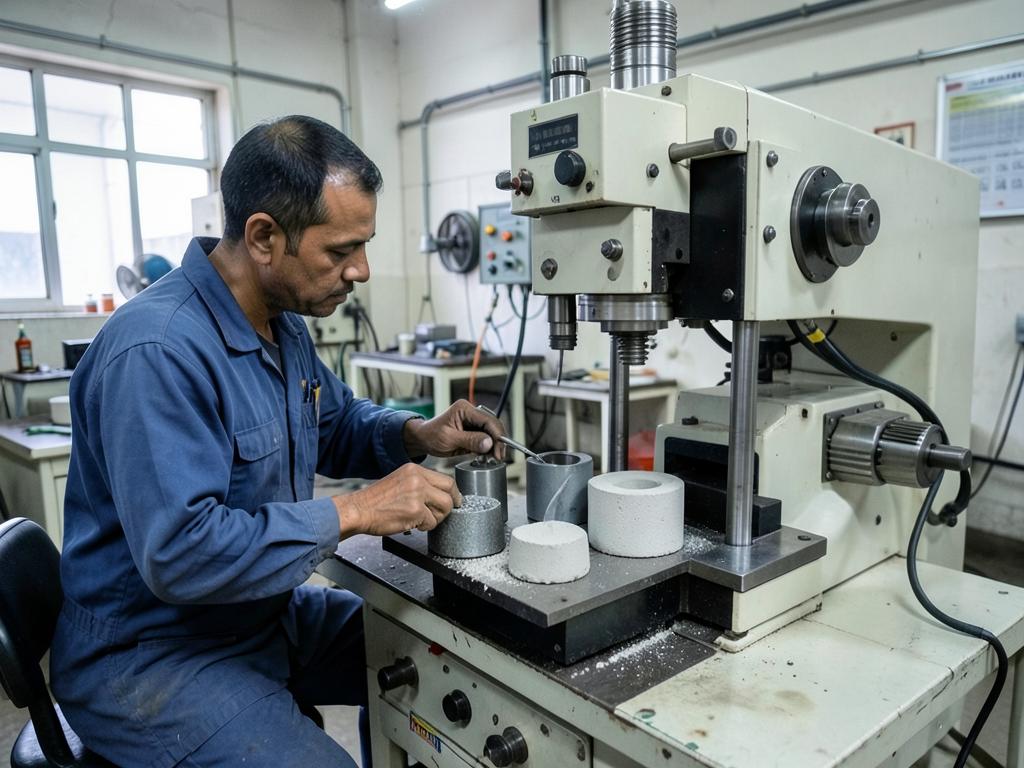
ISI marking indicates that a product conforms to the relevant Indian Standard, supported by factory controls, in-house testing capability and documented quality records.
For several product categories, ISI marking is a condition of sale in India. The scheme looks closely at the factory: whether testing equipment exists, whether it is calibrated and whether records are genuinely maintained.
Who it applies to: Manufacturers of products falling under Indian Standards product certification — building materials, electricals, pipes and fittings, packaged goods and similar categories.
Relevant industries: Building materials · Electricals · Pipes & fittings · Packaged goods
Discuss ISI for your organizationThe certification is granted by the relevant Indian certification authority following its own assessment.
03.6 / ROHS
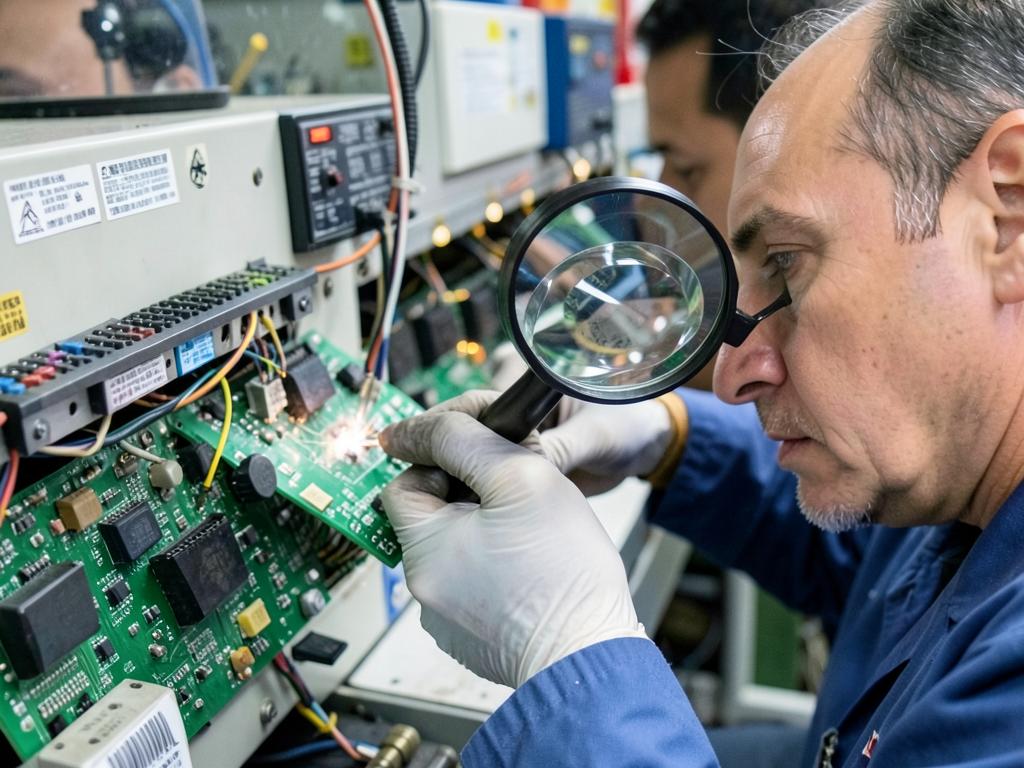
RoHS compliance concerns the restriction of specified hazardous substances in electrical and electronic equipment, evidenced through supplier declarations, material data and test reports where needed.
RoHS is a supply chain problem before it is a testing problem. A finished product is only as compliant as the components inside it, so the evidence must come from suppliers and be kept current.
Who it applies to: Manufacturers and exporters of electrical and electronic equipment, assemblies, cables, components and products containing electronics.
Relevant industries: Electronics · Electricals · Cables & connectors · Appliances
Discuss ROHS for your organization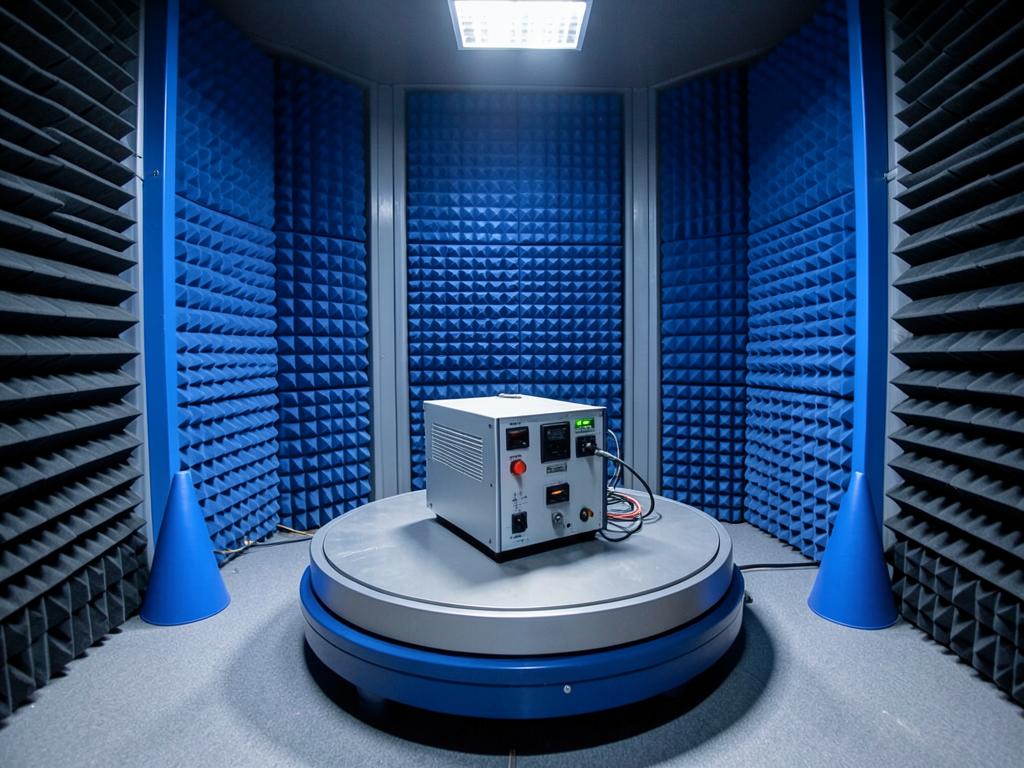
03.7 / FCC
FCC-related compliance concerns electromagnetic emission and radio requirements for electronic equipment placed on the United States market, supported by testing and technical documentation.
Products that pass every functional test still fail at the border if emissions were never measured. Identifying whether a product is intentional or unintentional radiator early determines the whole test and documentation plan.
Who it applies to: Manufacturers and exporters of electronic equipment, wireless devices, appliances with electronic controls and communication products for the United States market.
Relevant industries: Electronics · Wireless devices · Appliances · Industrial controls
Discuss FCC for your organizationTesting and authorisation are handled by recognised laboratories and bodies; DATAR provides guidance and coordination.
03.8 / CCC
China Compulsory Certification is a mandatory product-conformity system for products included in China’s official CCC catalogue.
For catalogue products, the applicable certification route, designated testing and factory-related controls must be addressed before lawful market placement.
Who it applies to: Manufacturers and exporters whose exact product category appears in the current CCC catalogue.
Relevant industries: Electrical products · Electronics · Automotive components · Consumer products
Discuss CCC for your organizationCCC is not required for every product. Applicability must be checked against the current official catalogue and implementation rules.
03.9 / SLS
The SLS Mark is a product certification mark operated by the Sri Lanka Standards Institution for products conforming to applicable Sri Lanka Standards.
The scheme supports product-quality assurance; it is compulsory only for product categories designated through the applicable Sri Lankan requirements and may otherwise be voluntary.
Who it applies to: Local or overseas manufacturers supplying products for which an SLS standard and relevant certification route apply.
Relevant industries: Food products · Electrical products · Construction materials · Consumer products
Discuss SLS for your organizationSLS Mark applicability depends on the product and current compulsory designations; not every product requires the mark.

03.10 / SNI
SNI is Indonesia's national standard. For product categories where conformity is mandatory, goods generally require certification against the applicable SNI before being sold in the Indonesian market.
Exporters often discover the requirement only when a shipment is queried. Confirming category applicability early allows testing, factory assessment and local representation to be planned into the order timeline.
Who it applies to: Exporters of engineering goods, electricals, building materials, consumer products and other regulated categories targeting Indonesia.
Relevant industries: Engineering exports · Electricals · Building materials · Consumer goods
Discuss SNI for your organizationCertification decisions and marking permissions rest with the responsible Indonesian bodies.
03.11 / TISI
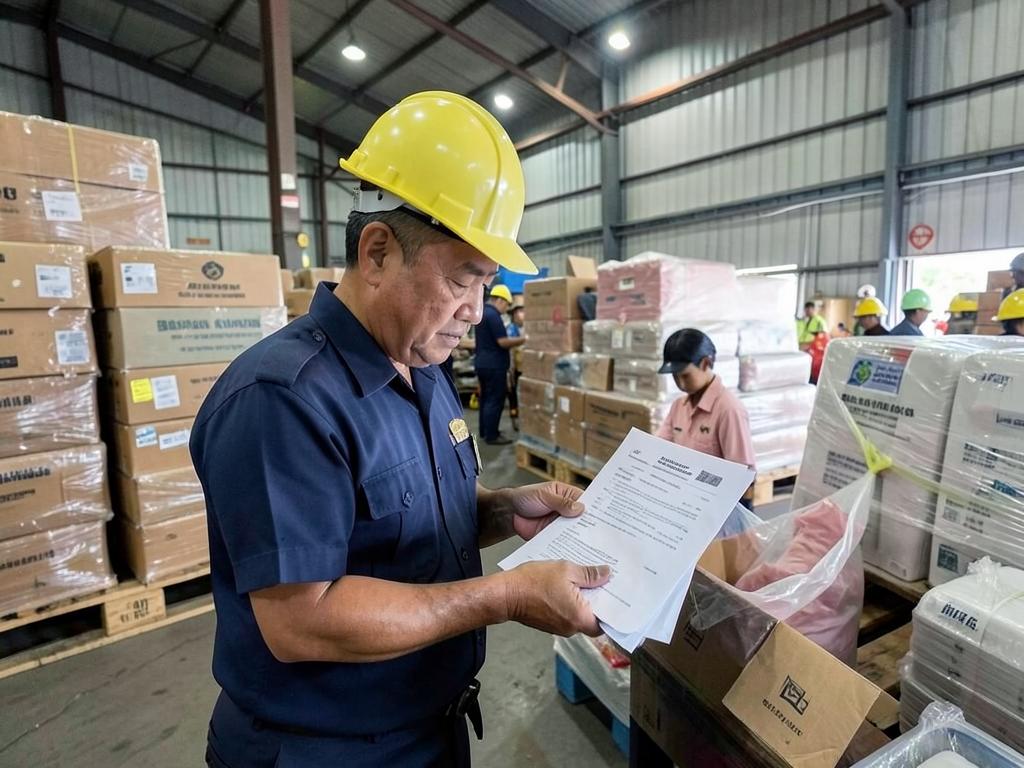
TISI conformity concerns Thai industrial standards applicable to specified product categories entering the Thai market, typically involving product testing and factory-related assessment.
Thailand's requirements are product-specific. Determining whether your goods fall under a mandatory standard — and which version applies — is the step that determines the entire cost and timeline of market entry.
Who it applies to: Manufacturers and exporters of industrial goods, electricals, construction materials and consumer products supplying Thailand.
Relevant industries: Industrial goods · Electricals · Construction materials · Consumer products
Discuss TISI for your organizationApprovals are granted by the responsible Thai authority under its own requirements.
03.12 / PNS
PNS conformity concerns Philippine National Standards applied to specified products, where certification or import clearance may be required before goods are placed on the market.
Product certification and import clearance routes differ, and choosing the wrong one costs time. Scope confirmation first, documentation second, keeps the process predictable for both exporter and importer.
Who it applies to: Exporters of electricals, construction materials, consumer goods and industrial products targeting the Philippine market.
Relevant industries: Electricals · Construction materials · Consumer goods · Industrial products
Discuss PNS for your organizationCertification and clearance decisions rest with the responsible Philippine authorities.
Business Value
Confirming the applicable route early avoids shipments being held because documentation was never prepared.
Organised technical documentation is what a buyer, authority or notified body actually asks to see.
Testing scoped correctly the first time reduces repeat laboratory cost and delay.
Importers prefer suppliers who can produce conformity documentation on request.
DATAR Support Process
01
Establish the exact product, its variants, intended use and destination markets, then identify which requirements apply.
02
Build the technical documentation set — design information, risk assessment, standards list, test scope and instructions.
03
Coordinate testing where required, address findings, and put production and labelling controls in place.
04
Review documentation, prepare for assessment or registration and maintain records for ongoing supply.
Industry Relevance
Typical situations where organizations approach DATAR for this category.
Technical file, risk assessment, standards identification and instruction manual review for the CE route.
Substance restriction documentation with supplier declarations, plus radio and electromagnetic test coordination.
Indian Standards product certification support covering factory testing and documentation.
Documentation and process control preparation aligned with regulatory expectations for the market concerned.
Locations We Serve
Product certification and regulatory compliance support is provided to exporters and manufacturers in Rajkot, Ahmedabad, Baroda, Surat, Mumbai, Pune, Delhi, Bengaluru, Nagpur and Bhopal.
DATAR works from its Rajkot head office and supports organizations across India, on site and remotely.
Head Office — Rajkot607, Time Square, Near Ayodhya ChowkService delivery is arranged through site visits and online working sessions; DATAR’s only office address is the Rajkot head office listed here.
FAQ
Something not covered here? Send the question through the enquiry form below or on WhatsApp.
It is demonstrating that a product meets the requirements that apply to it in a given market — through design controls, applicable standards, testing where required, technical documentation and, in some cases, third-party involvement.
It depends on the product and the legislation covering it in the European Economic Area or Great Britain respectively. Some products fall under specific directives or regulations, others do not. Applicability is confirmed product by product.
No. Conformity routes differ by product category and risk level. Some allow self-declaration on a technical file; others require third-party involvement or testing at a recognised laboratory.
Typically the product description and variants, drawings and specifications, bill of materials, intended use, target markets, existing test reports and supplier declarations.
No. Testing is performed by laboratories and certification or registration is handled by the relevant bodies and authorities. DATAR provides documentation, guidance and coordination support.
Explore Other DATAR Services
Get Consultation
Share your organization, product, target market or certification requirement and DATAR will help identify the applicable next steps.