
Access to sector supply chains
Sector certification is frequently a listed condition for being considered as an approved supplier.

02 / Industry Systems
Structured support for industry-focused standards and management systems designed to strengthen operational processes, compliance and organizational capability.
Overview
Automotive, rail, telecom and software organizations are often expected to certify against an industry scheme rather than a generic framework. DATAR supports interpretation of those requirements, process design and audit preparation.
DATAR provides consultancy, preparation, implementation and audit-readiness support. Certificates, approvals and audit outcomes are issued by the respective certification, conformity-assessment, regulatory or accreditation bodies, as applicable.
Certifications & Schemes Included
Select any item below to read the detailed section covering scope, applicability, benefits and how DATAR supports it.
02.1 / IATF
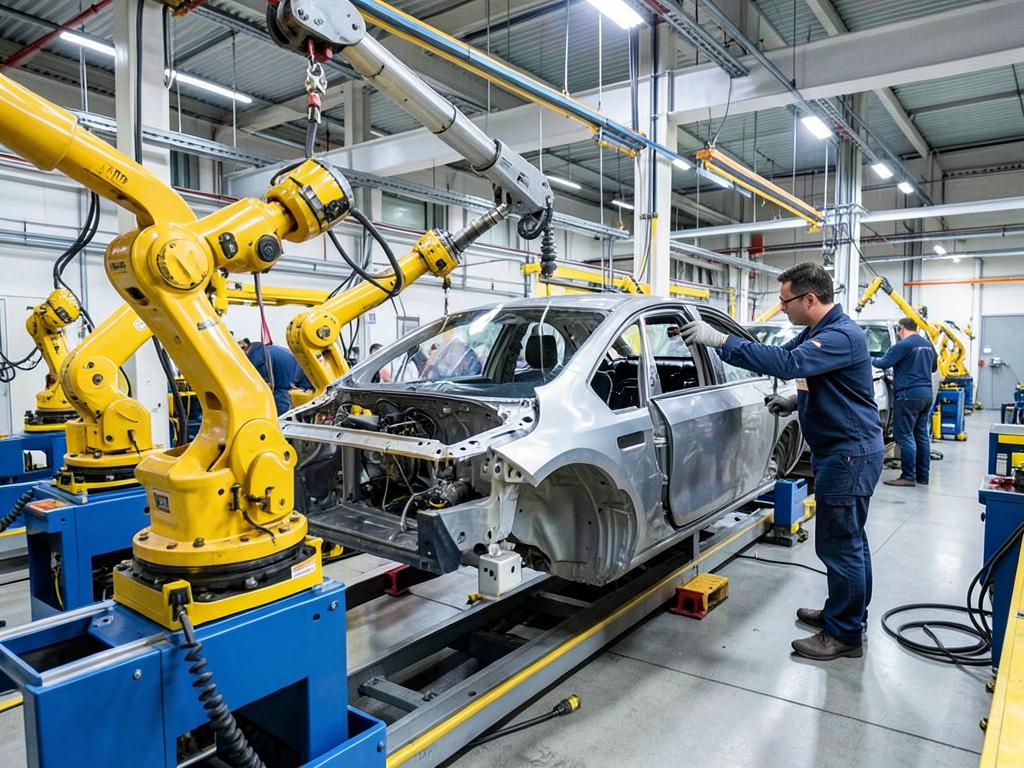
IATF requirements define an automotive quality management system, adding sector-specific discipline for product development, production control and supplier management on top of a quality management foundation.
Automotive customers rate suppliers on defects, delivery and responsiveness. The IATF structure exists because those ratings depend on prevention — planning quality into a part before it runs, rather than sorting it afterwards.
Who it applies to: Tier 1 and Tier 2 automotive component manufacturers — casting, machining, forging, sheet metal, rubber, plastics and electrical parts suppliers to vehicle makers.
Relevant industries: Automotive components · Casting & forging · Machining · Rubber & plastics
Discuss IATF for your organization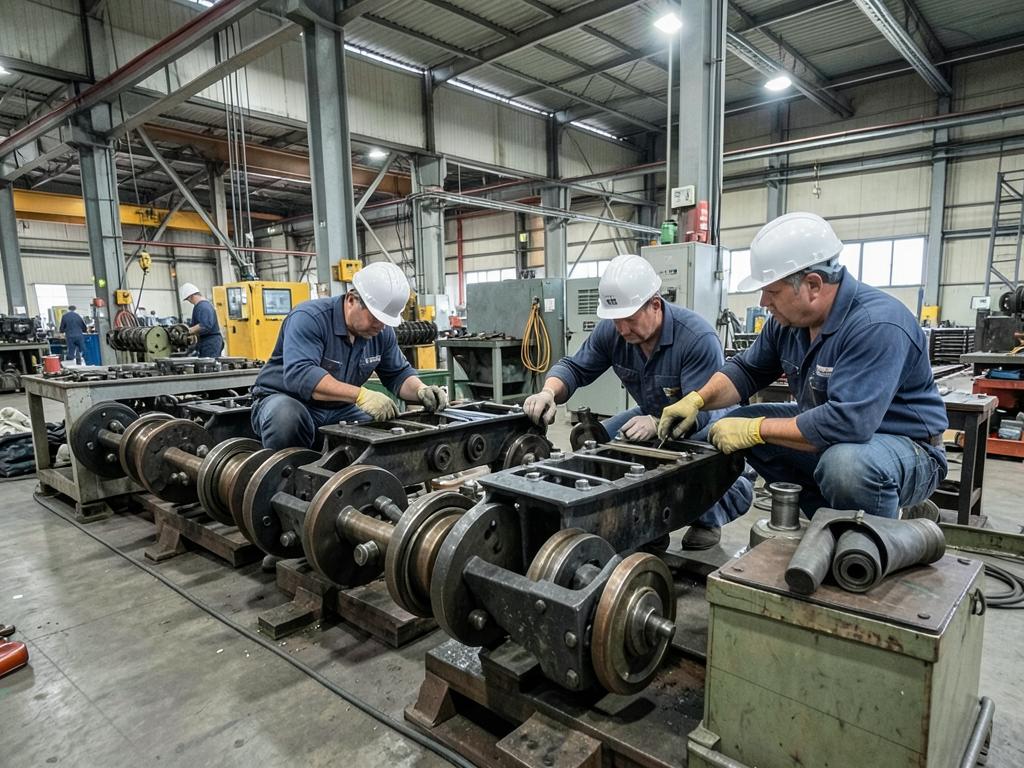
02.2 / IRIS
IRIS applies railway industry requirements to the design, development, manufacture and maintenance of rail products, with strong emphasis on project management and lifecycle control.
Rail products stay in service for decades and are bought through long, tightly specified projects. Buyers therefore assess how a supplier manages projects, configuration, obsolescence and RAMS — not only whether the part passes inspection.
Who it applies to: Rail component and sub-system manufacturers, rolling stock suppliers, signalling and electrical equipment makers, and organizations bidding into rail projects.
Relevant industries: Rolling stock · Rail components · Signalling · Rail electricals
Discuss IRIS for your organization
02.3 / TL 9000
TL 9000 adds telecom-specific requirements and a defined measurement framework to a quality management system, covering hardware, software and services in the communications sector.
Telecom customers manage networks where downtime is the primary risk. TL 9000 exists so that supplier performance can be measured consistently — outage, return rate and on-time delivery — rather than described qualitatively.
Who it applies to: Telecom equipment manufacturers, network service and installation providers, and software suppliers serving communications operators.
Relevant industries: Telecom equipment · Network services · Communications software
Discuss TL 9000 for your organization
02.4 / CMMI
CMMI is a model for improving and appraising process capability in software, engineering and service organizations, describing practices for planning, delivery, measurement and improvement.
Enterprise and overseas clients often ask how delivery is estimated, tracked, reviewed and improved before awarding multi-year work. CMMI gives that answer in an assessable form and reduces reliance on individual heroics.
Who it applies to: Software development companies, IT services and product engineering firms, and service delivery organizations pursuing client-mandated maturity levels.
Relevant industries: Software development · IT services · Product engineering · BPO services
Discuss CMMI for your organizationCMMI maturity is confirmed through appraisal by authorised appraisers; DATAR provides preparation and process improvement support.
Business Value
Sector certification is frequently a listed condition for being considered as an approved supplier.
Core tools, measurement and defined project controls are exactly what customer audits examine.
Prevention-focused tools reduce the failures that damage supplier ratings.
Documented process capability makes commitments to customers realistic rather than optimistic.
DATAR Support Process
01
Review your customer requirements, sector scheme, product scope and existing quality system.
02
Gap analysis against the sector requirements, then the process documentation, core tools and measurement structure it expects.
03
Deploy the tools on real parts, projects and processes, with training for the engineering and production teams.
04
Internal audit, process audits, corrective action and readiness for the assessment or appraisal.
Industry Relevance
Typical situations where organizations approach DATAR for this category.
IATF-oriented process discipline with PPAP, FMEA and control plans built around actual part families.
Railway industry requirements applied to design control, project management and obsolescence planning.
Measurement and performance reporting structured to match customer contractual expectations.
Process maturity work covering estimation, configuration management, reviews and measurement.
Locations We Serve
Industry system support is provided to automotive, rail, telecom and software organizations across Rajkot, Ahmedabad, Baroda, Surat, Pune, Mumbai, Bengaluru, Delhi, Nagpur and Bhopal.
DATAR works from its Rajkot head office and supports organizations across India, on site and remotely.
Head Office — Rajkot607, Time Square, Near Ayodhya ChowkService delivery is arranged through site visits and online working sessions; DATAR’s only office address is the Rajkot head office listed here.
FAQ
Something not covered here? Send the question through the enquiry form below or on WhatsApp.
You can, unless your customer specifically requires the sector scheme. Automotive, rail and telecom customers commonly require their own standard because it adds sector-specific tools, measurement and part approval requirements that ISO 9001 does not contain.
Sector schemes generally build on the same management system logic. An existing ISO 9001 system usually makes the work faster, but it is not a substitute for the sector requirements themselves.
Broadly, advanced product quality planning, failure mode and effects analysis, control plans, measurement system analysis, statistical process control and the part submission process. DATAR supports their practical application on your own parts.
CMMI is a process improvement model assessed through appraisal rather than a conventional certification audit. Preparation focuses on evidence that the defined processes are genuinely used on projects.
Through gap analysis, documentation, training, deployment on live parts or projects, internal audits and closure of findings before the external assessment.
Explore Other DATAR Services
Get Consultation
Share your organization, product, target market or certification requirement and DATAR will help identify the applicable next steps.